Hi Duncan
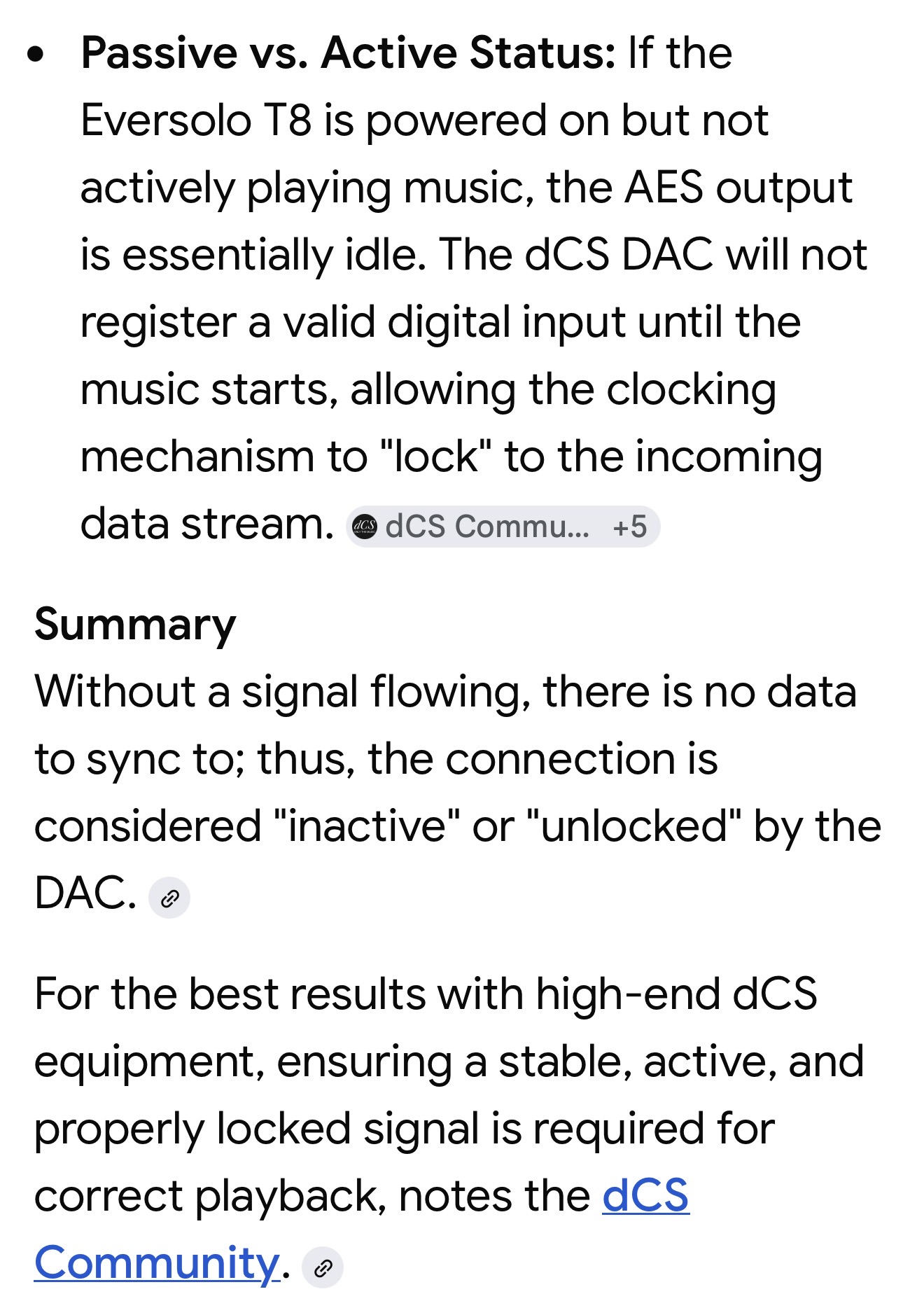
Unusually so, AI has been quite helpful. It states that data must be flowing from the T8 to the DAC, for the AES port to be active?? Yes, in the context of high-end digital audio, it is generally the case that an AES/EBU connection between a source (like the Eversolo T8) and a DAC (like dCS) requires an active audio signal to function properly, lock the clock, or display a valid input status.
While the physical connection (cable and XLR connectors) exists when plugged in, the digital link itself is not fully established (“locked”) until data is flowing.
Signal Detection and Locking: Digital-to-analog converters, particularly high-end units from brands like dCS, often “sense” the incoming digital stream. When no signal is playing, the AES input may show as “No Lock,” “No Signal,” or simply remain inactive, because the AES/EBU protocol requires a continuous stream of data (even if it’s just zero-level data) to synchronize the clock.
No, that’s not a normal AES port behaviour, but the AES standard doesn’t enforce that an AES port has to remain active when it’s not playing music. Unfortunately it just seems the T8 has a poor AES implementation. You might just have to live with the T8’s AES port only becoming active when something is playing.
There’s nothing wrong with your Bartok. Just make sure the Bartok’s Buffer setting is Enabled, and Sync mode is set to Audio.
Has it? Seems like it’s told you what you already know.
I will ask forgiveness by staying off topic but if you have Bartok why have you also bought the T8? What are you looking for that you didn’t already have?
(Pete, for once I’ll forgive you as I was silently asking myself the exact same question - the screen maybe, more services than Mosaic provides already, thirst for new hardware?…)
Pete, The T8 has Storage, which now contains all my ripped and purchased FLAC files, which have been stuck on a WD USB drive for the past year. (Since the Melco incident)
The T8 is a Streaming Transport, the lovely Bartók is used purely as a DAC.
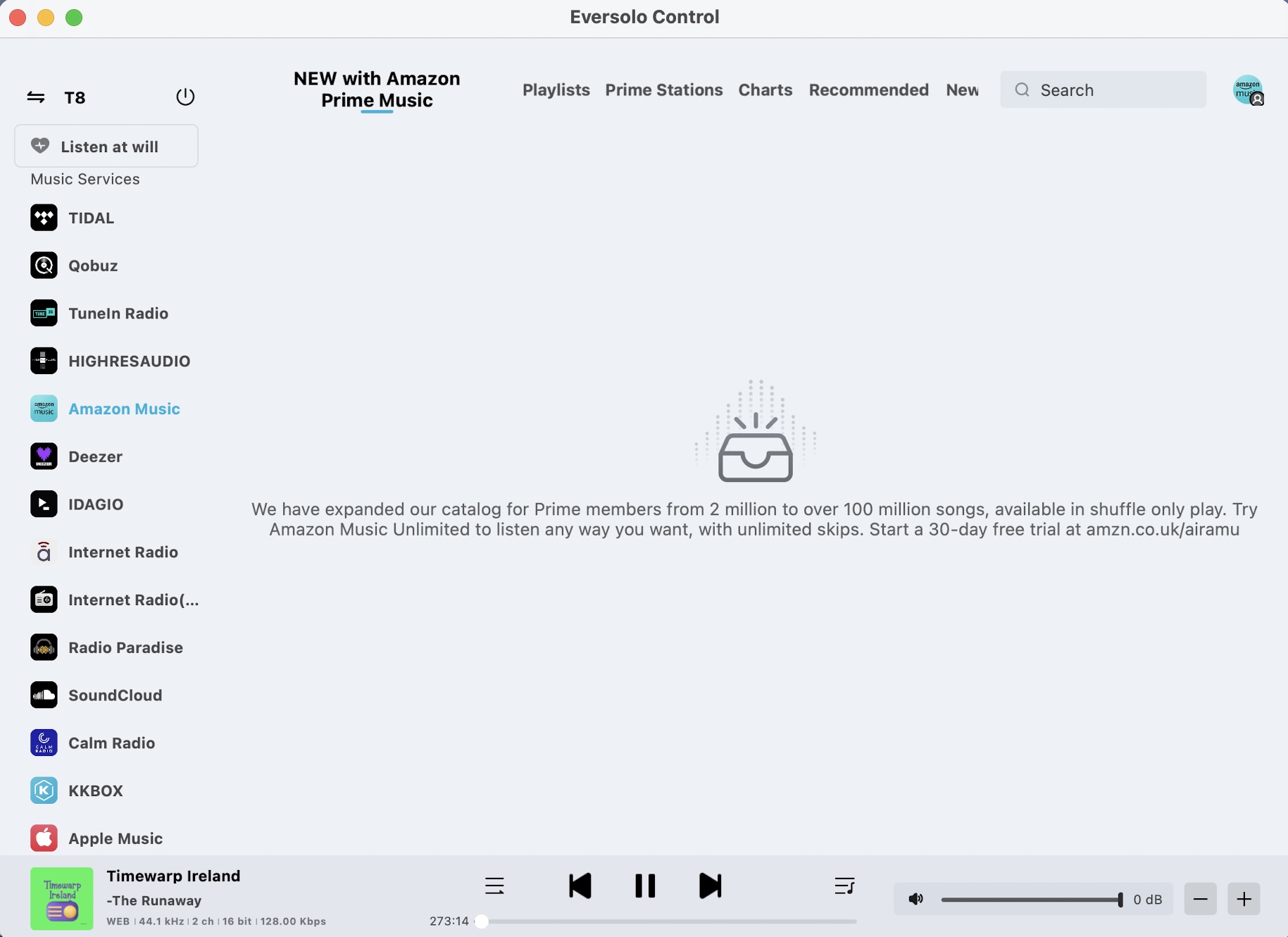
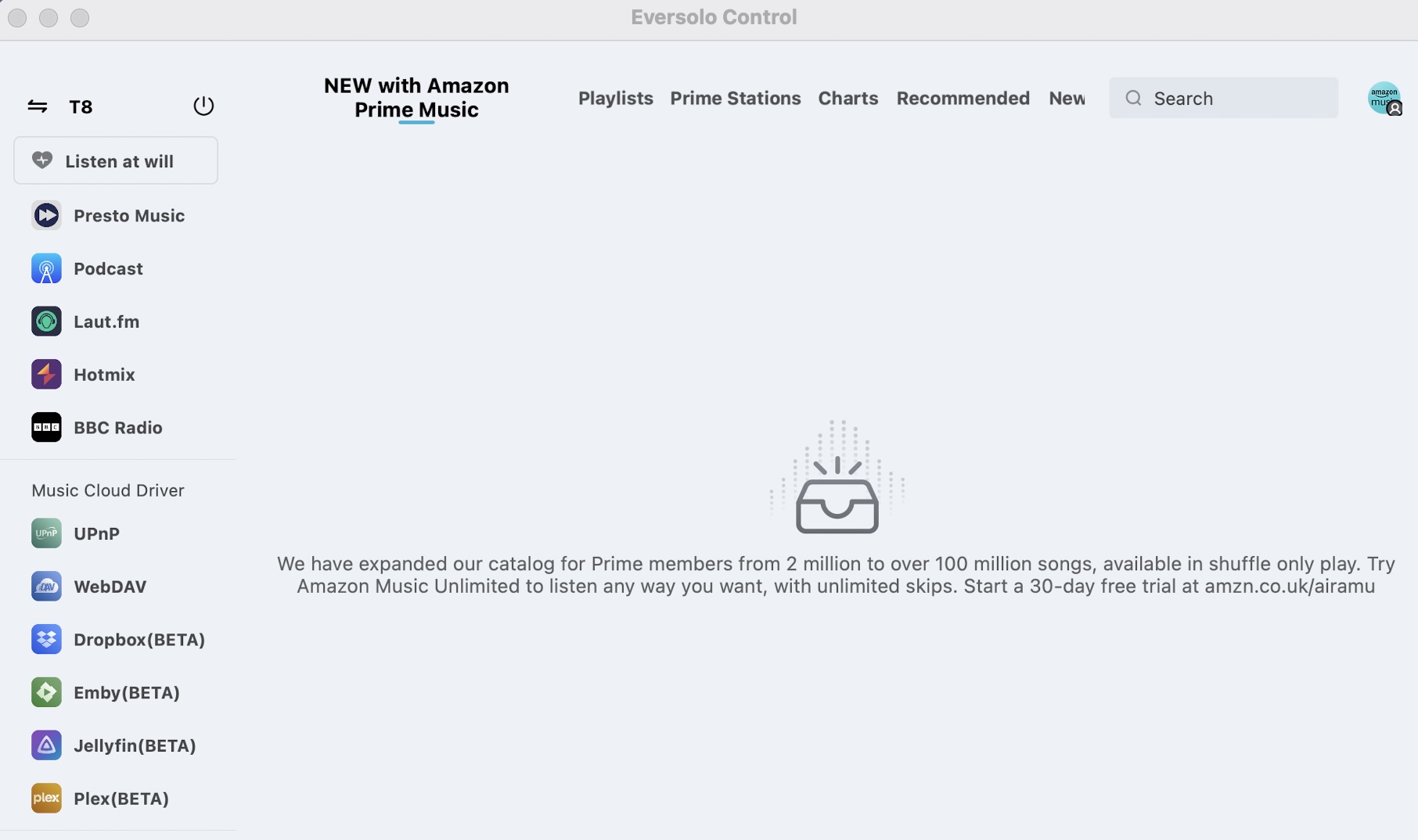
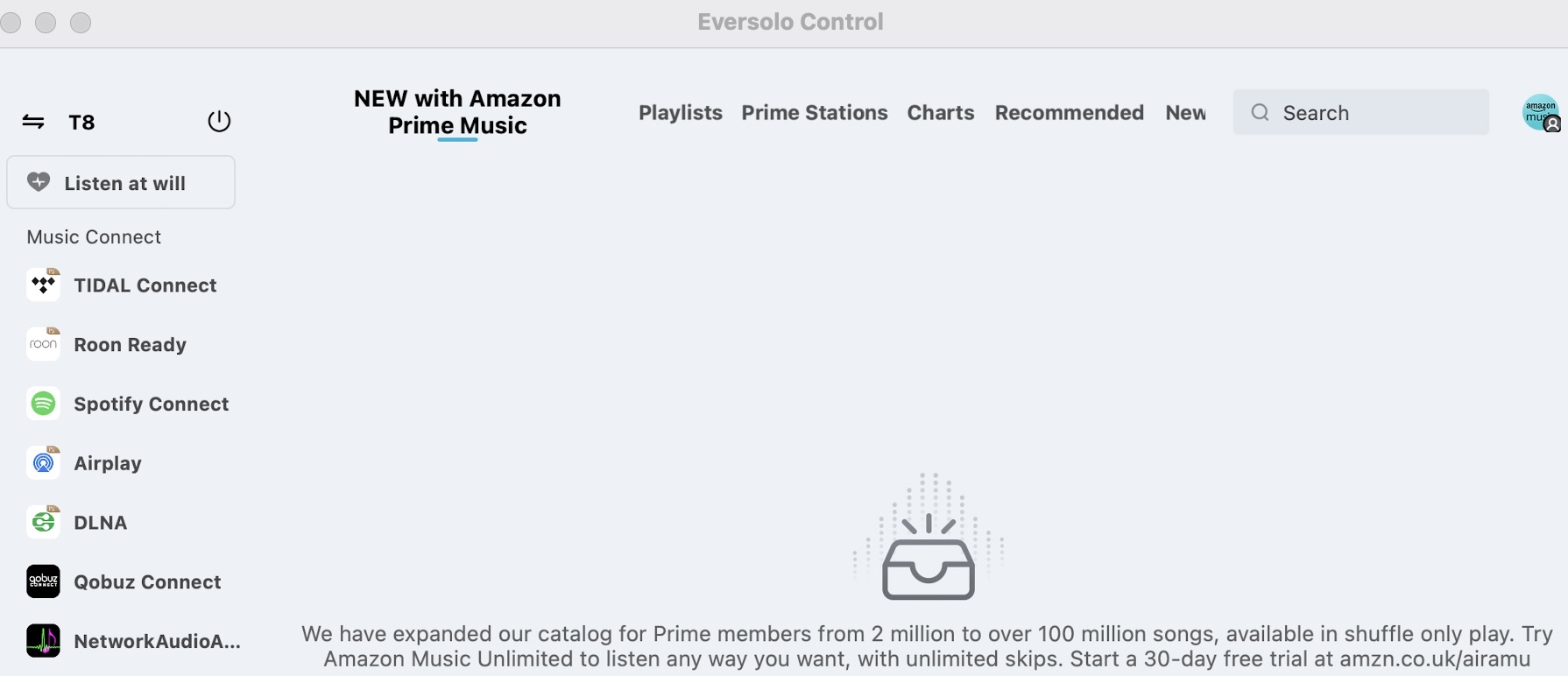
To be fair, the T8 offers a bit more of a choice of streaming platforms and radio.
As of Firmware update 1.5.60 released January this year, your T8 can act as a UPnP Server.
In other words, as long as it’s connected to your home LAN, you can use Mosaic to stream music to your Bartok over the LAN. No need to fiddle with USB, AES, etc. Problem solved
Without opening a huge can of worms here (LAN vs USB, vs AES, vs Coax) I personally preferred the AES connection from T8 to Bartók. USB was a close call!
I see.
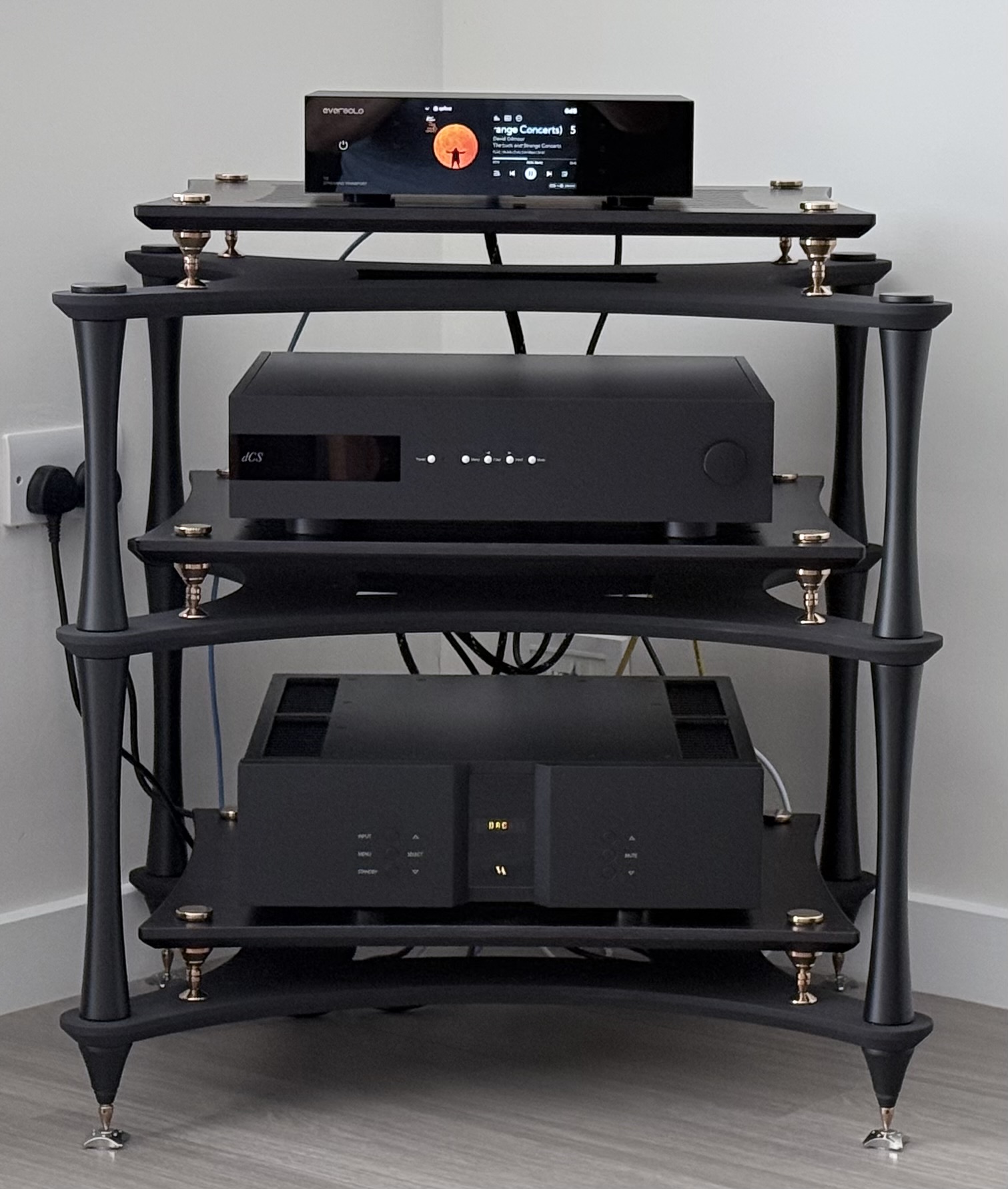
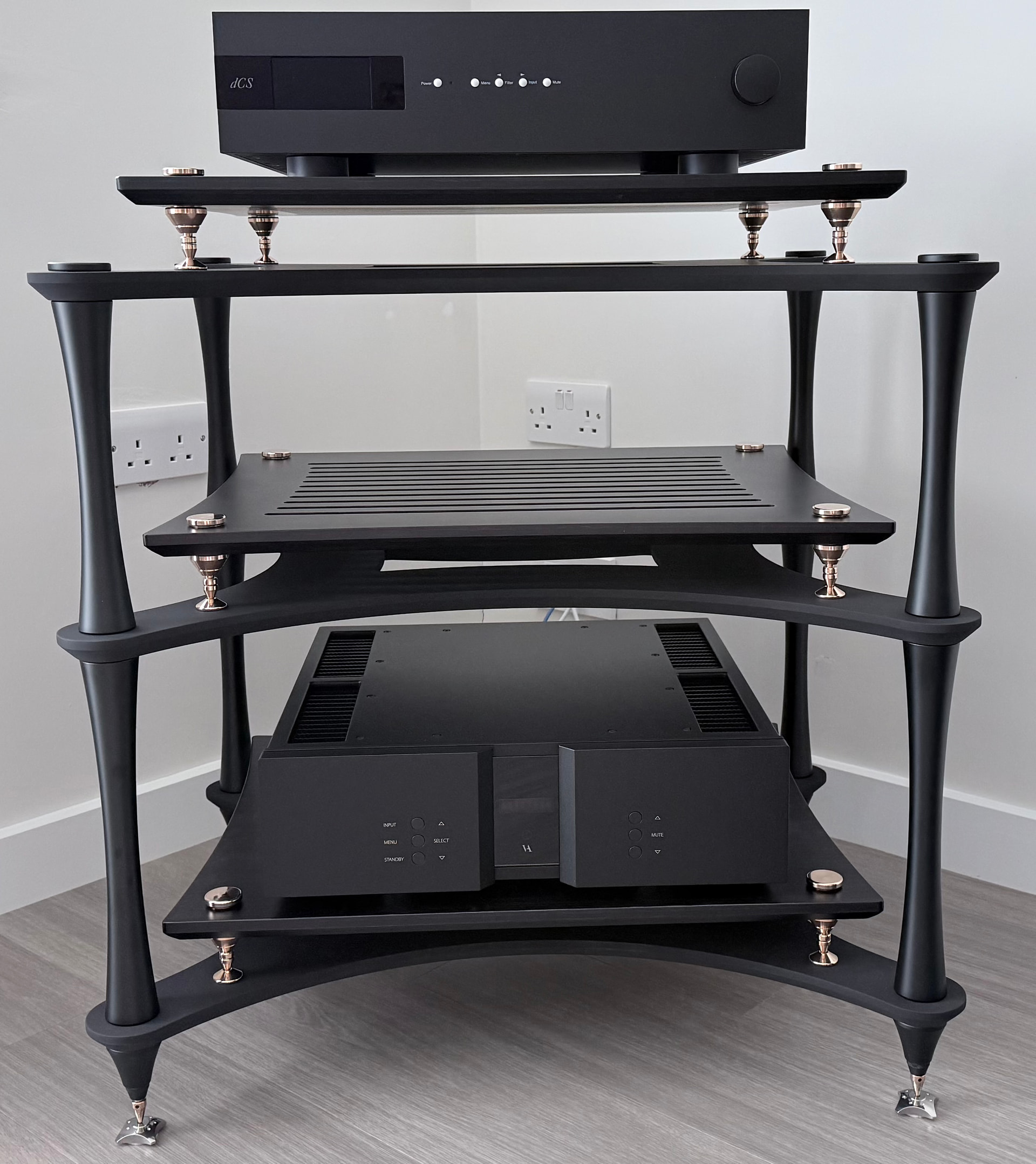
If I had the same rack, I would have taken a Rose RS130 (or something similar) instead of a T8: just to have all devices matching same width, plus the screen occupies the full width of the streamer on the Rose…
I nearly pressed the £€$ button on that one! I get what you are saying about the width of the T8, but no different to some of the Melco’s, Innuos and Aurender’s.
Because of its size I swapped the levels with the Bartók, which was on the top.
That’s fine if you truly believe you prefer the sound quality through the AES interface. But be aware that technically, it’s inferior to directly streaming to your Bartok via Ethernet. AES has multiple additional signal format conversions that has to happen, and more egregiously, with the T8, AES has Clock synchronization drawbacks; you’re listening to additional jitter.
I guess all I want is the Bartók to be just a DAC and the T8 a Streaming Transport.
I was reliably informed that a Direct connection is better.
My dealer prefers the USB connection, and demos his Innuos products with the USB connection. I tried it and found it to be very good.
However, my Mentor on here, told me to try AES. I did and can confirm AES had a slight edge over USB, not much in it though.
As I often say, we only do this for enjoyment. Your money, your ears, your choices.
Sometimes, when I am demoing a system to a customer and they are just leaning back, relaxing and sinking into the music like a warm bathtub, and asking no technical questions whatsoever, I find my self envying them.
I derive enormous stimulation and satisfaction from learning about and understanding the technology. But sometimes I wish I could just lock all that knowledge and my OCDs in a drawer and live a life where my system is just a bathtub!
I once sold a nice Pass integrated amp to a man who turned out to only play a collection of approximately 40 CD’s from a certain era. Nothing else. He derived satisfaction out of that and it made him relax. To each their own and it taught me that there are many different listeners out there who care about different things.


 - the screen maybe, more services than Mosaic provides already, thirst for new hardware?…)