Acoustic Room Treatment. How could I have missed this upgrade?

I finally managed to demo a pair of Standmount speakers, at a dealer in Suffolk. I did an AB comparison with my Kudos Titan 606s, together with my 37 Kg, Vitus SIA-025 amp. (Yes, I will demo them at home as well)
The speakers are Danish, Dynaudio Confidence 20, with downward firing ports.They had the bass and authority of my 606s. If you closed your eyes, you’d never know that they were Standmounts. I’d say that they had the edge over the Kudos.
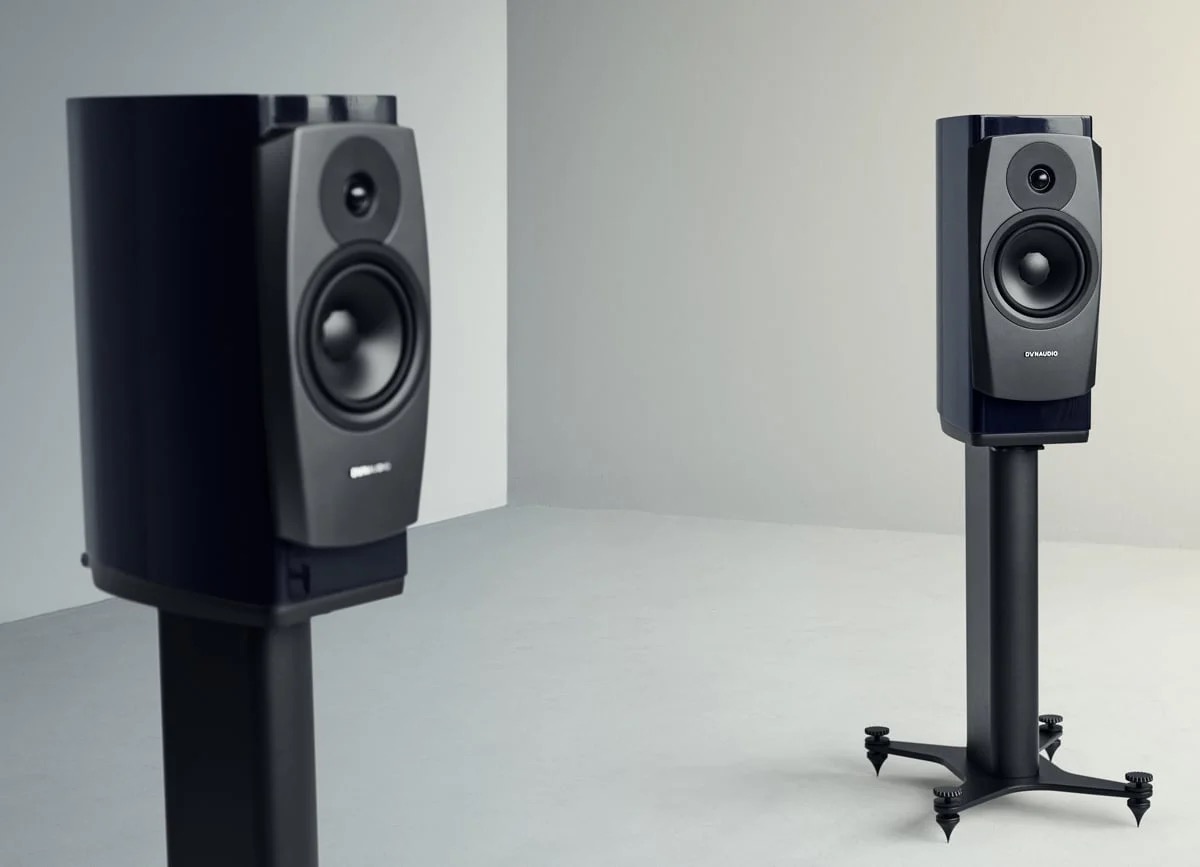
However, What helped massively, was the fact that their demo room had been acoustically treated. It was wasn’t like a studio, or anything like that, but just had subtle, specially lined curtains and a couple of panels on the wall. Quite inexpensive really.
A completely different sound to my ‘Ringing chamber’ at home.:grinning_face:

Acoustic room treatment is something that I have completely ignored and overlooked, with every music system I have ever owned. After my demo in Suffolk, that is about to change. A big upgrade with a minimal cost!

I would be interested to know what other members have found, when they treated their listening room, and what products they actually used.
2 Likes

I don’t have any room treatment, because my listening position is relatively near field and, because it’s an open plan room, there are no points of first reflection.

1 Like

I have a reasonable sized room (22’ x 18.5’ x 8’) which is partly compromised by a 9’ bay at the window end and a chimney breast, which protrudes on one side of the room.

But hey! You have to work with what you have!

I have never liked putting a TV or equipment stand between my speakers, so these are both consigned to the alcoves, either side of the chimney breast, on one side of the room.

Starting point for speaker placement was the Cardas room calculator, which has resulted in my stand-mount speakers having the centre of their drive units 5’ from each side wall and 9’ away from the front wall (behind the speakers).

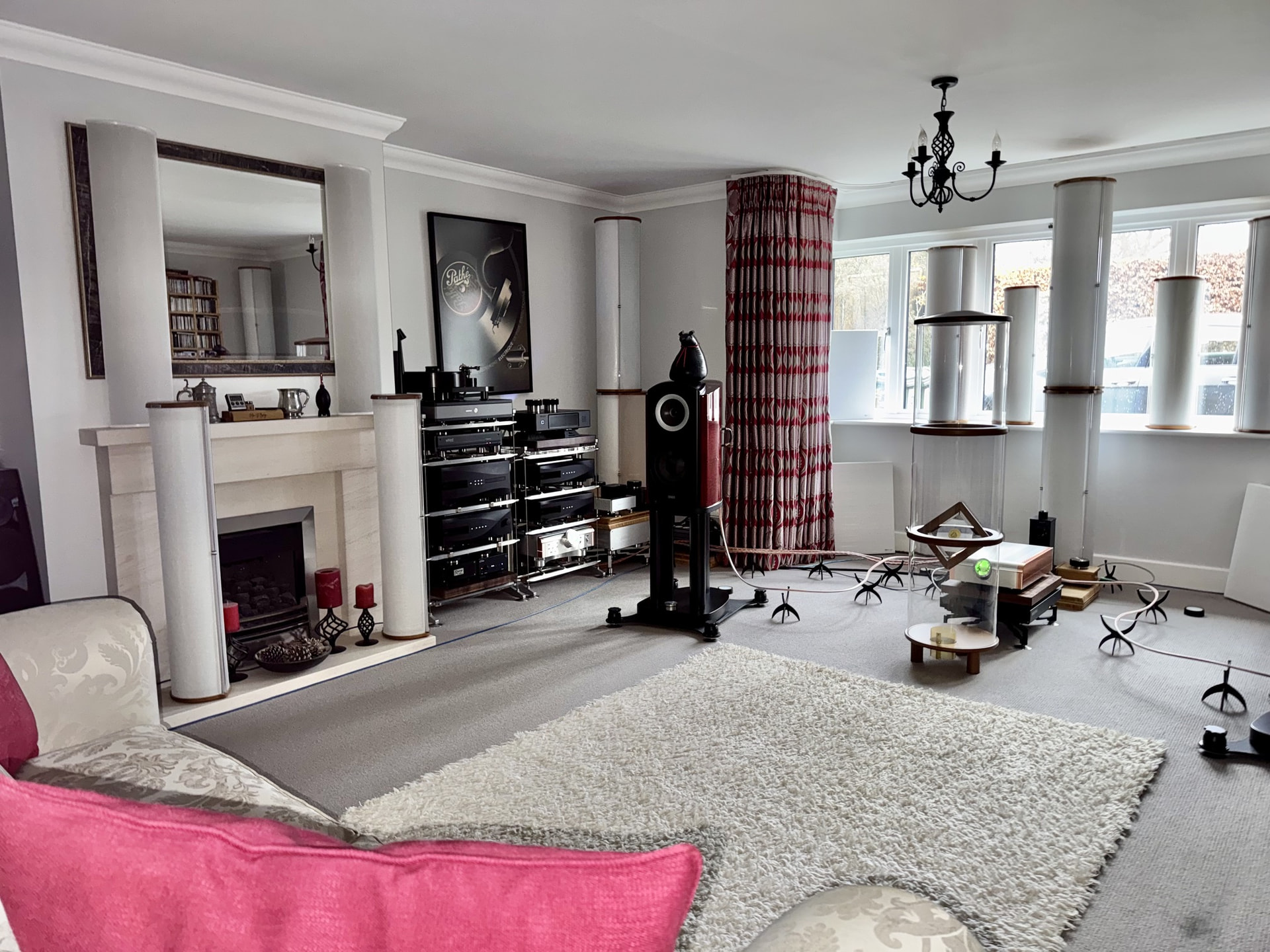
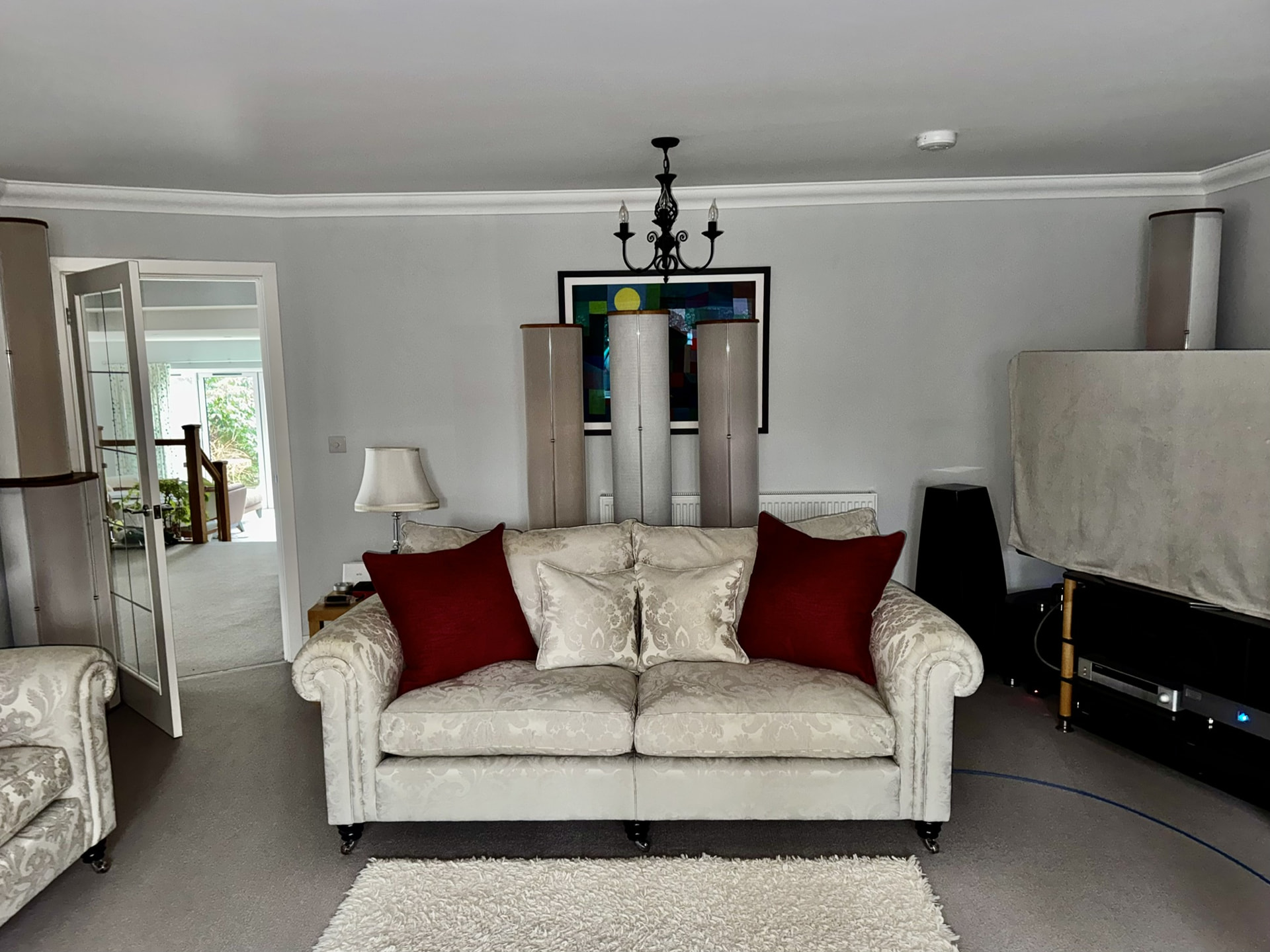
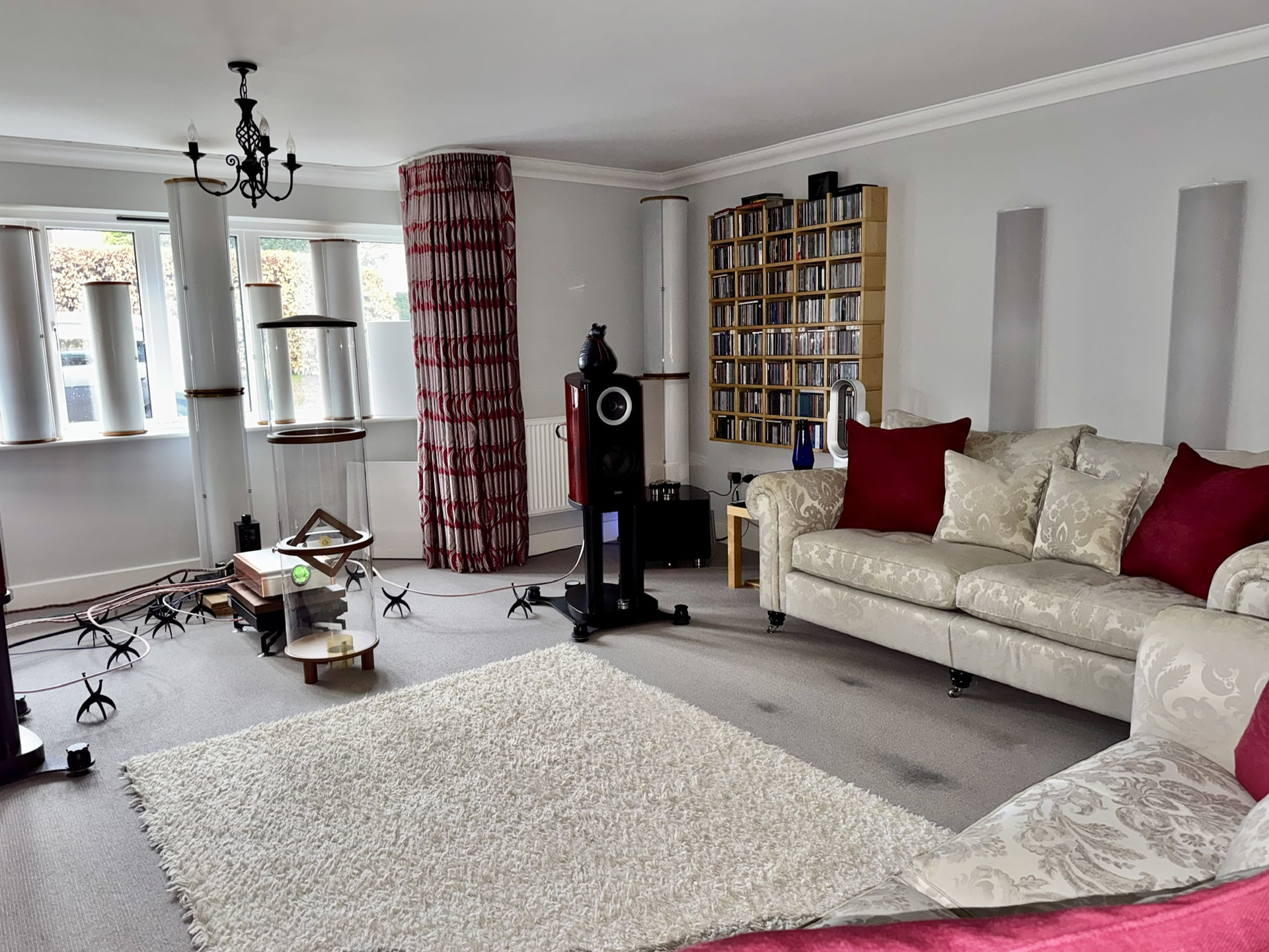
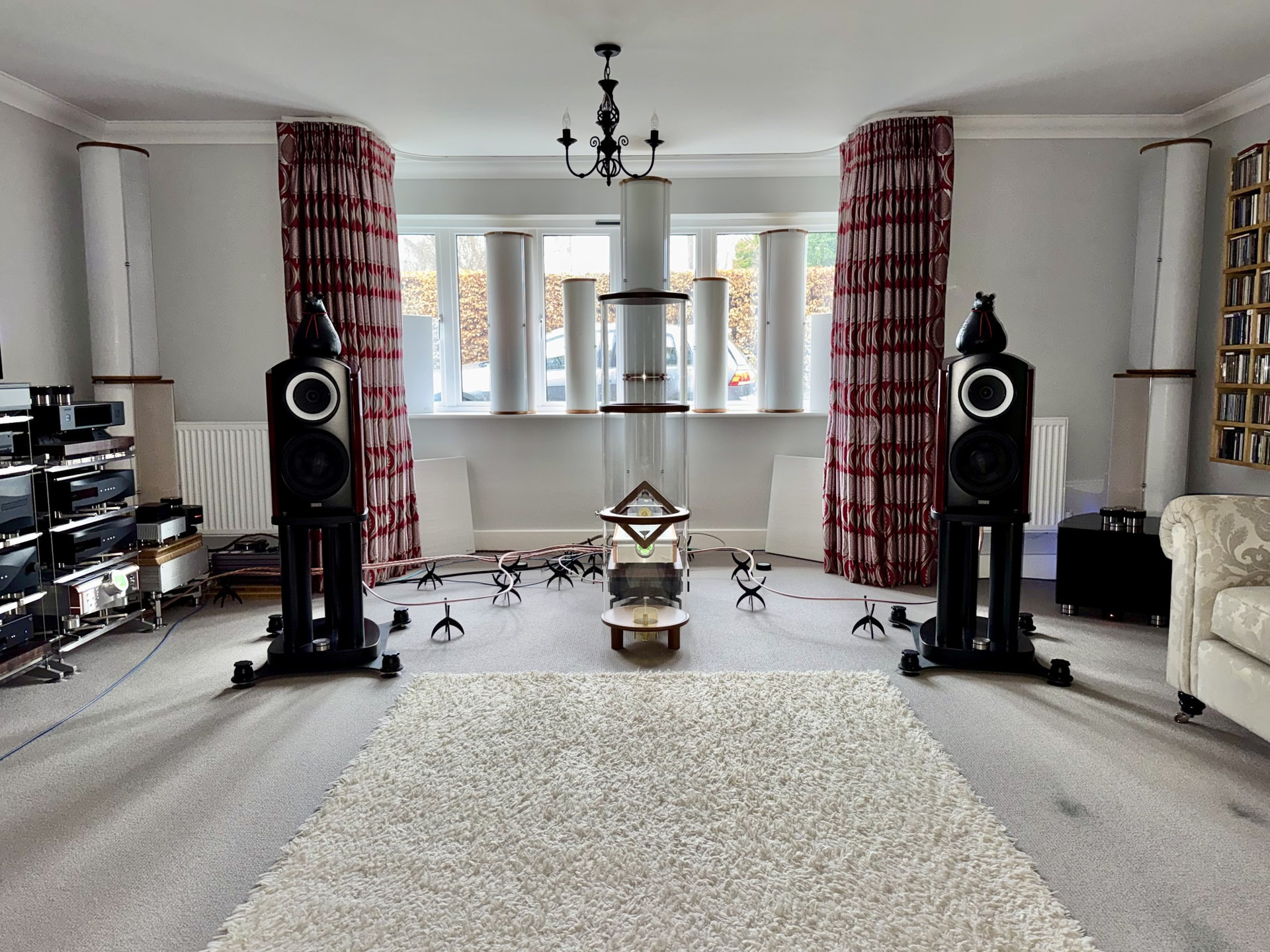
I have used Acustica Applicata room tuning solutions for the past fifteen years.

Their DAAD towers are lightweight, portable and do not provide a fixed installation, to what is, after all, a family room (although I have extraordinary latitude in that area).

As a result, the majority of my Acustica Applicata room tuning can be quickly deployed prior to a listening session and then stored away afterwards.

Together with the deployment of two REL Gibraltar subs, the frequency response in-room, is well-controlled, as well as all first reflection points.

The soundstage is wide and deep, with excellent placement of vocalist(s) and instruments, presenting a lifelike stereo image, as perceived from the listening position.

8 Likes

Hi David. It’s great to hear how you are netting on and have decided on the Dynaudio speakers.

The acoustic treatment of rooms for domestic audio has been more associated with our friends in the USA where products devoted to this are more plentiful and room sizes ( and cash !) more plentiful.

I once spent a pleasurable few hours in a fully treated room in the Pacific North West where major work had been done including demolishing walls to install bass traps and the erection of a huge curved diffuser. I must say that the room sounded superb but I found it unpleasant to be in due to the short reverberation time ( appropriate for the reproduction if not for music creation). Rumour had it that the room cost $1M ( 25 years ago) and that was mainly the cost of planning and hire of the company who carried the work out.

In the UK, although some products are available ( mainly wall panels to deal with refections), other aspects less so. The approach here has ben more to do with selection and placement of furniture and other domestic fittings with acoustics in mind.

This has been my approach were, for example, a slap echo between a side wall and a stairwell opposite was dealt with by the building of a storage cabinet about 90% of room height holding hundreds of CS and LPs.

The wall behind the speakers in mainly a full width picture window so so this is damped by full height heavy curtains kept closed.

The floor is carpeted and if yours is exposed wood ( as the current fashion) I suggest the addition of a rug in front of the speakers to absorb high frequency refections.

I do also use three wide band Helmholtz resonators to the side or centre of the speakers.. These are superb ( the “holes” in the ceiling of the Royal Festival Hall are actually the open mouths of such resonators). They were self imported by me from the USA to the consternation of HMRC who has difficulty understanding what they were and any duty payable . Made by a company called Argent and named Room Lenses they can still be found being used by several manufacturers at audio shows. Unfortunately Argent closed years ago but DIY instructions used to be easily found on the internet but I am not sure of the current situation.

You will need to place your new speakers properly and I strongly recommend the Wilson Audio W.A.S.P method. Google this as there are many videos and written instructions out there. You will need two fabric tape measures, a roll of masking tape and a friend to help. Designed fro Wilson speakers but equally effective with any other brand.

Good luck.

3 Likes

Wow! Now that’s what I call Standmounts! :grinning_face:

1 Like

This is a very interesting topic and one that I myself am looking into since some time and especially for the new house we are currenly moving into. As it stands right now I will have the enormous luxury of a separate listening room that will get some treatment and measuring. So far, I have found Hofa acoustics in Germany that I will work with for a room advice. They can work with dimensions of the room alone remotely, but they are just as happy to include REW measurements that I will make myself. Then they will calculate and advise on placement of the speakers, the listening position and placement of bass traps, diffusers and absorbers. They will do so on the basis of their own products, which are relatively fairly priced. But you can use other brands if you want or look up some DIY version to make should be so inclined.

I am currently still very much occupied moving stuff around, but I hope to start on the room once everything else is a bit more settled. I hope to document some steps along the way and write about it here. Please also let us know @Merlot52 how you get on.

1 Like

Snap! Fingers crossed I am also moving :crossed_fingers: (Probably Early October)
When I got home after demoing the speakers, I clapped my hand and couldn’t believe the amount of flutter echo/slap echo in my front room. The demo room where I listened to the speakers, I got virtually zero.

Please keep me updated with some photos of you project

2 Likes

Hi @XCop
Just looking at your system again. Absolutely fantastic. I bet it sounds sublime…including the two Ikea Chopping Boards! :laughing:

PS Are you Xcop?

1 Like

Haha! You can never have enough IKEA chopping boards (in a sandwich with ceramic ball-bearings between each board)! :grinning_face:

I’m very happy with the sound of my system, which is in daily use.

I was a cop, for over 30 years. Retired as an Inspector, in 2005. Will have been drawing the pension for 21 years, next month (all helps with this expensive hobby of ours)!

Cheers

Steve

2 Likes

Nice one Sir​:grinning_face: I was Met for 30 years.

I actually bought two of the chopping boards to put under my speakers…can’t remember why, but I never ended up using them.

1 Like

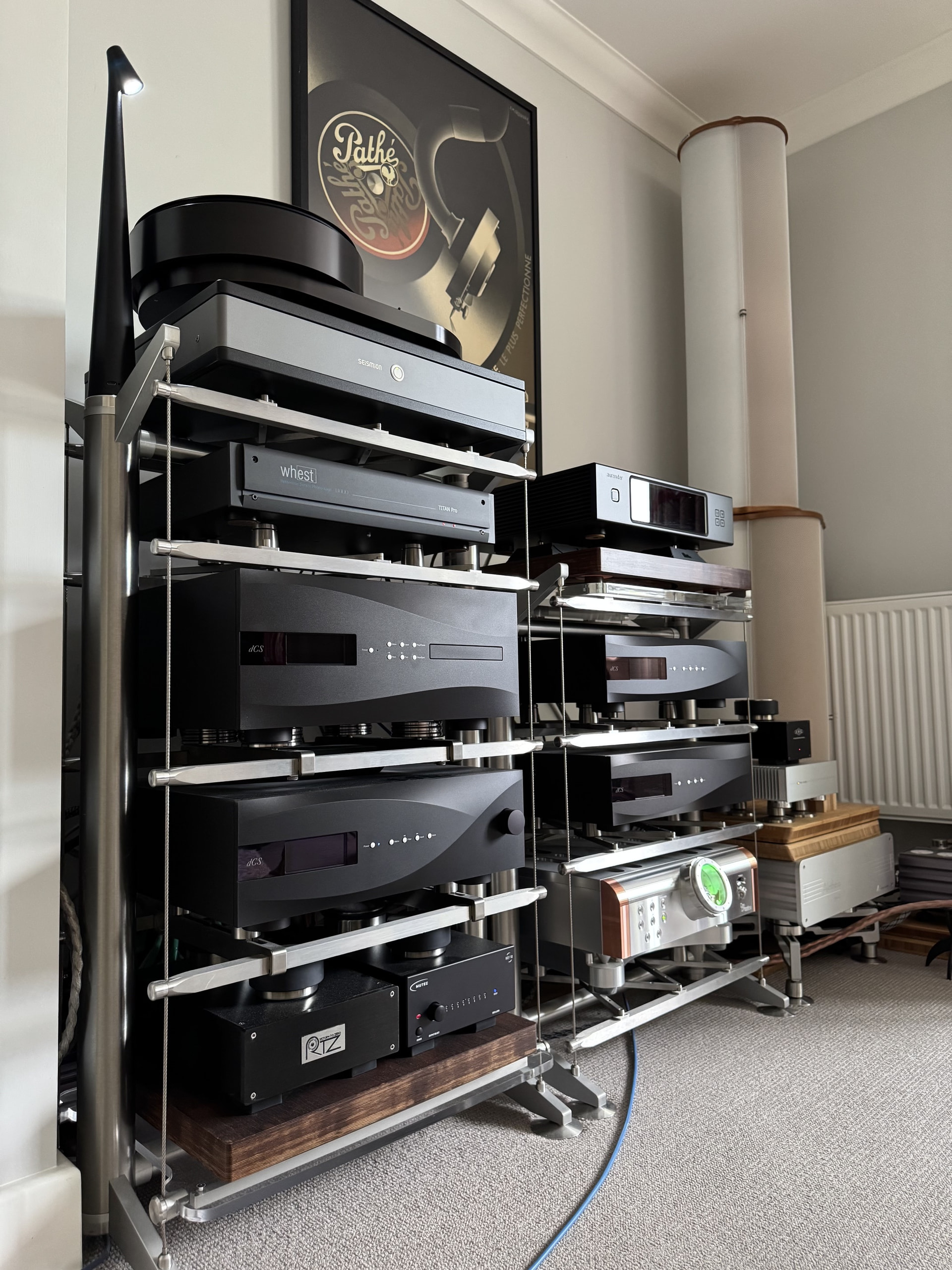
Looks like you have Vertex PSU - I have an original Elbrus, using 3 balanced out to Dac, Upsampler and Pre amp. Did you upgrade from Elbrus?

Also interested in how your ‘Volcano’ Helmholtz resonator affects the lower end, were you addressing a specific issue with that?

Fantastic set up BTW

Mart

1 Like

Hi Mart

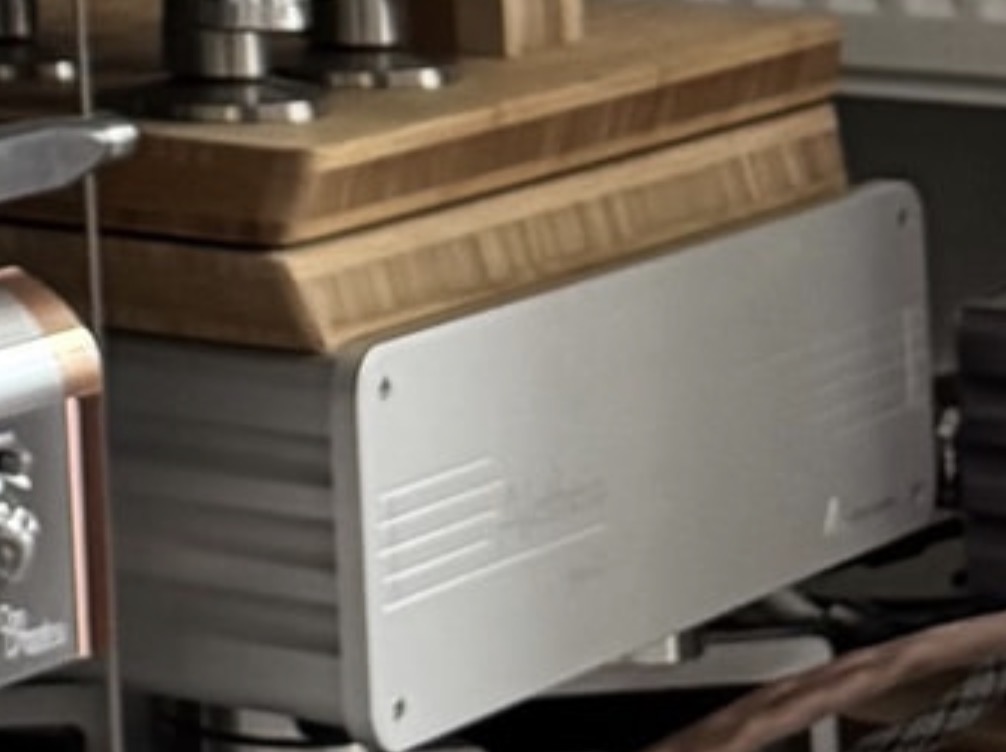
I still have a Vertex AQ Elbrus balanced mains conditioner, which moved to the AV system, when I purchased an Aletheia PSU2 balanced mains conditioner (previously known as Vertex AQ - 4 x balanced outlets, 2 x unlimited outlets).

Because I have a “socket-hungry system” I added another balanced power supply from Quiescent (latest incarnation of Vertex AQ). Again, 4 x balanced outlets + 2 x unlimited outlets.

The Acustica Applicata Volcano is a useful addition to a suite of room-tuning products. It’s something that you didn’t know you needed, until you install one.

Acustica Applicata describe the most volatile area for soundwaves within a listening room, as the space between two stereo speakers.

The analogy they use is to think of your room as a swimming pool full of water. From a plan view, drop two stones into the water, corresponding to the speaker positions. Ripples (sound waves) will spread out and collide between the speaker positions and rebound time and time again off all room boundaries. This is how sound waves are behaving in a typical listening room, adding in floor and ceiling reflections.

The Volcano is basically a tuned column of air with a hole in the top and an adjustable port in the bottom.

Air is drawn in from the bottom and you adjust the Perspex tube port up or down to get the bass sound you want. It works down to 25Hz (with the add-on cylinder) and with the bottom of the tube closest to the floor, the bass is full and prominent.

Adjusting the tube upwards into the Volcano, makes the bass more nimble and defined. Tune to your personal taste. The lateral paddle adjusts the balance between the midrange and high frequencies. I have found that around 45 degrees offers the best balance in my room/system.

The Volcano can be used elsewhere within a room, but its most powerful effect is realised between the two speakers.

Vocals are absolutely locked in but with the sensation that there is a living, breathing singer in the room, with air around instruments and vocals.

A most pleasing subjective result!

1 Like

Thank you for that detailed response, lovely to hear of your impressive line up of Vertex PSU’s - my entire wring loom is Vertex and I’m glad to be off the cable merry go round for a long time. Like you I employ two subs (front left and rear right corner) and extensive room treatment - but as yet, no Helmholtz resonator. I use REW very much in setup and spent lots of time on ‘multi sub optimizer’ to help reduce the complexity of multi sub integration. I applaud your approach to managing your environment, very much under appreciated as a whole.

1 Like

Matt, you,might be mixing @XCop with my earlier post. I do use three Argent “Room Lens” broadband Helmholtz resonators. No longer made though.