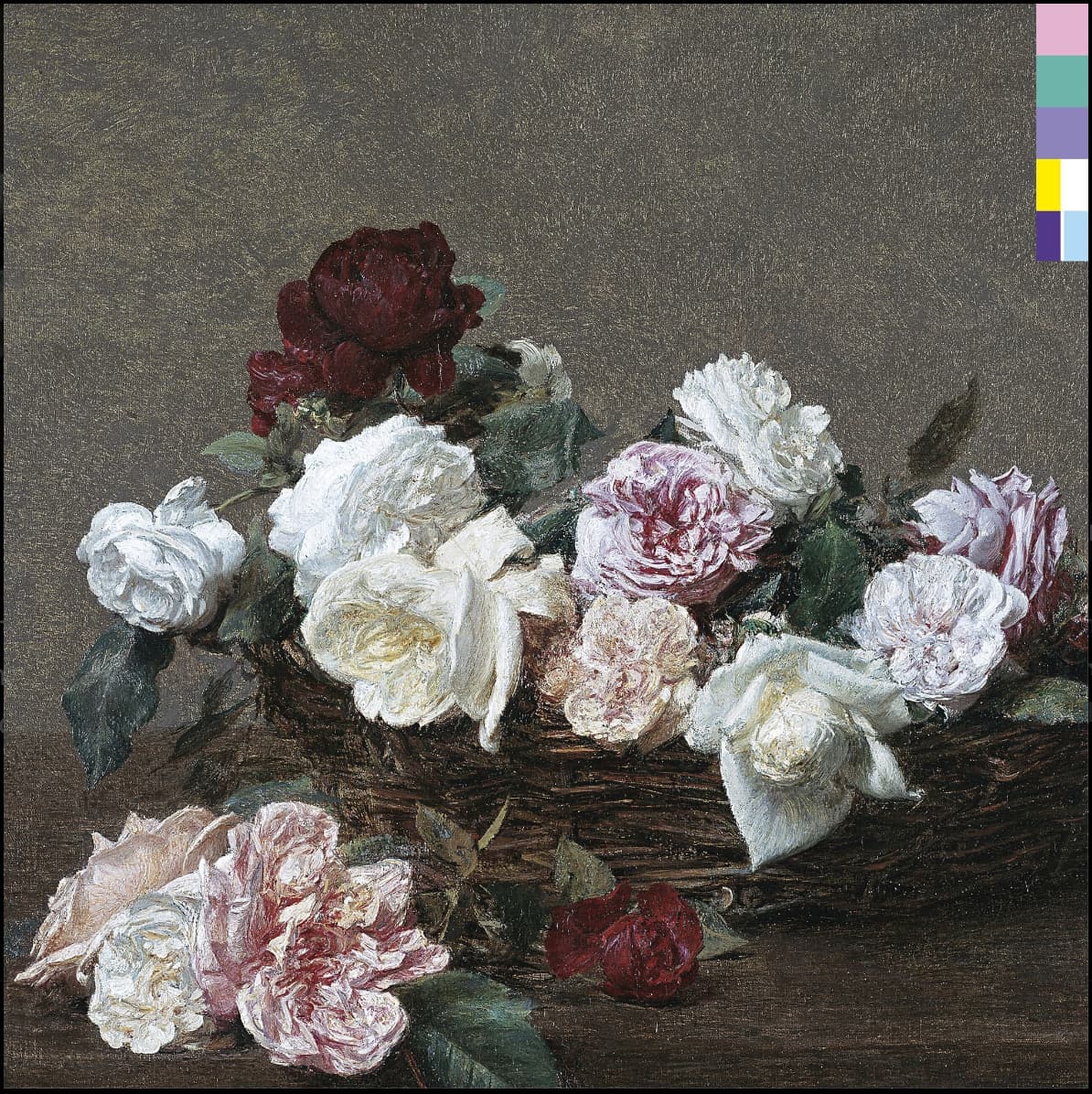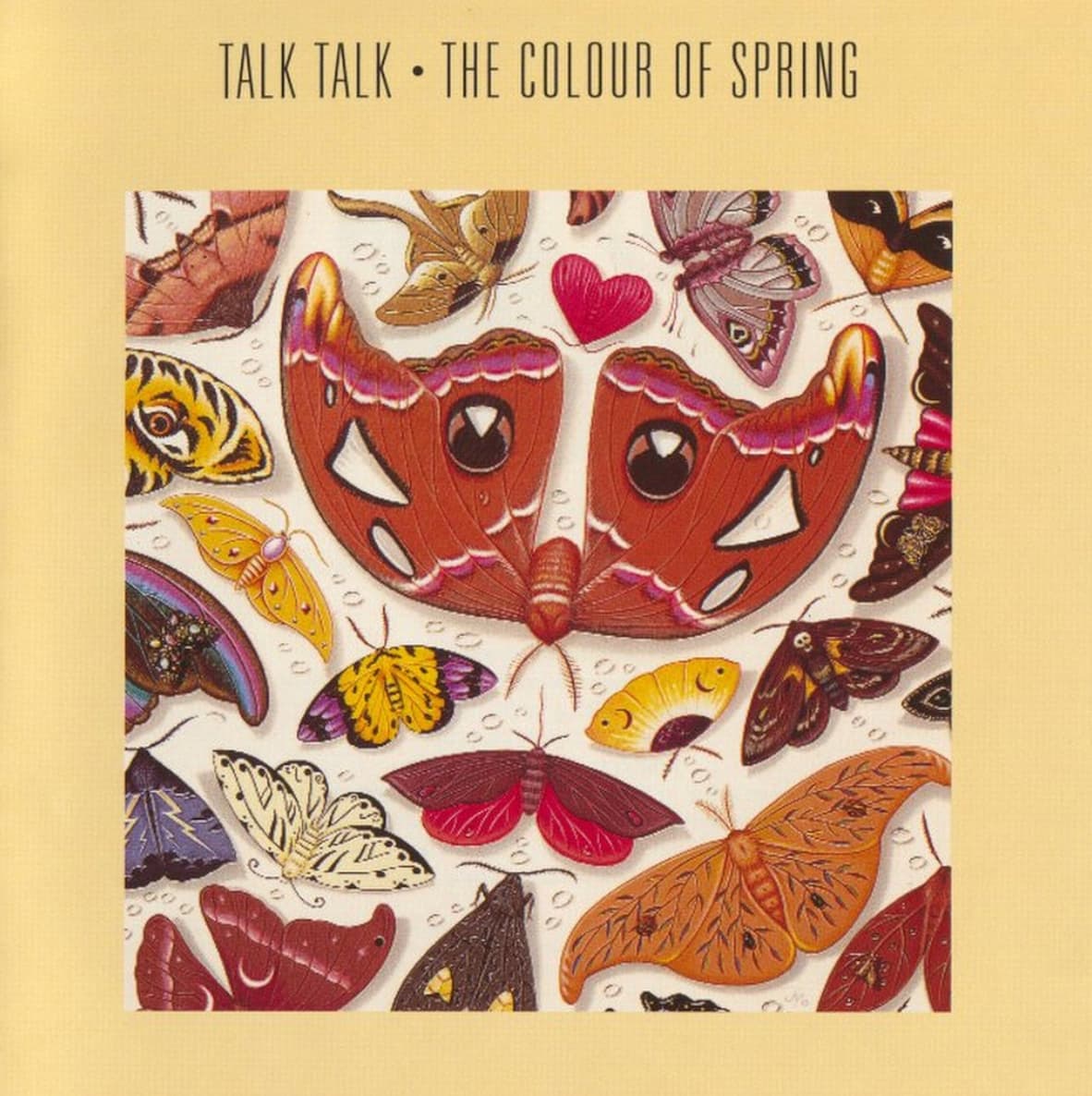
Talk Talk: The Colour Of Spring
EMI - 1986 (2003 Remaster SACD)
DSD 64
DR: 8
6 Likes
Had the pleasure to attend a lovely recital of Brahms’ Requiem yesterday at Storkyrkan. Fantastic stuff. Had me playing through some of my favorite versions today. Beautiful music.
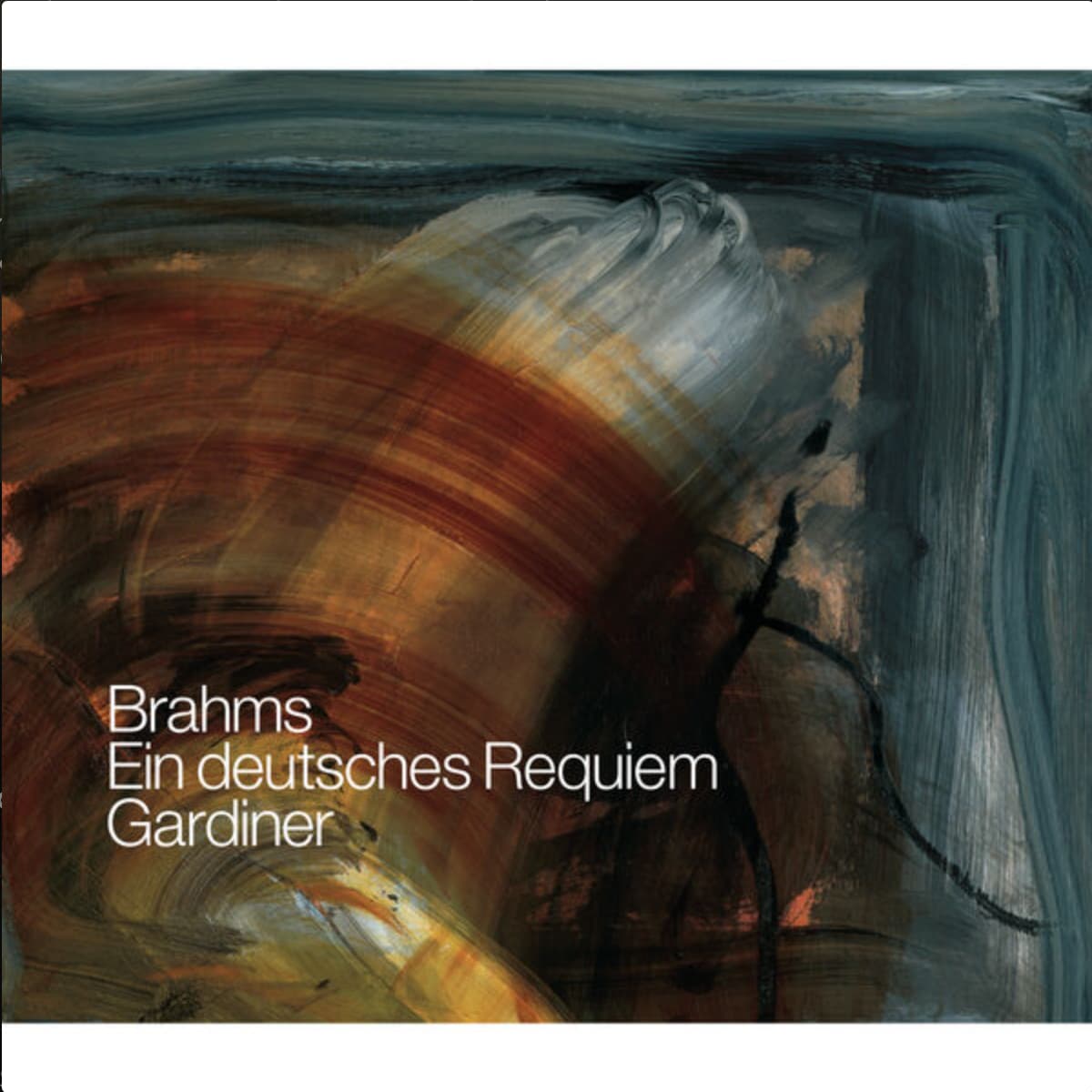
Katherine Fuge, Matthew Brook, Monteverdi Choir, Orchestre Révolutionnaire et Romantique, John Eliot Gardiner “Brahms: Ein deutsches Requiem” 2012, Qobuz 16/44.1
3 Likes
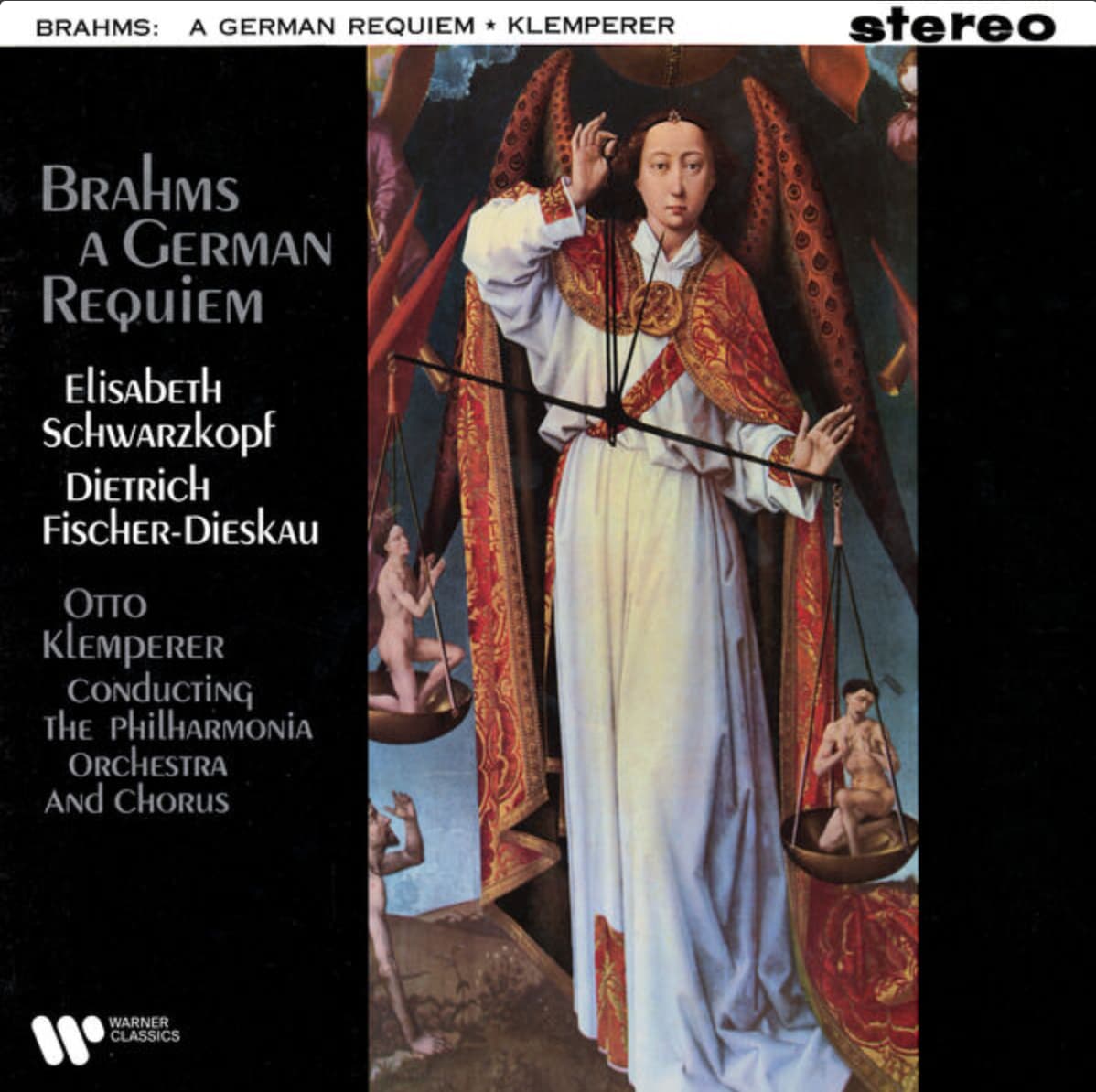
Elisabeth Schwarzkopf, Dietrich Fischer-Dieskau, Philharmonia Orchestra, Otto Klemperer “Brahms: A German Requiem, Op. 45” 1991, Qobuz 24/192
4 Likes

Noga Erez
The Vandalist
Electro-Pop/Rap
Atlantic - 2024
24/88.2 - DR: 8dB

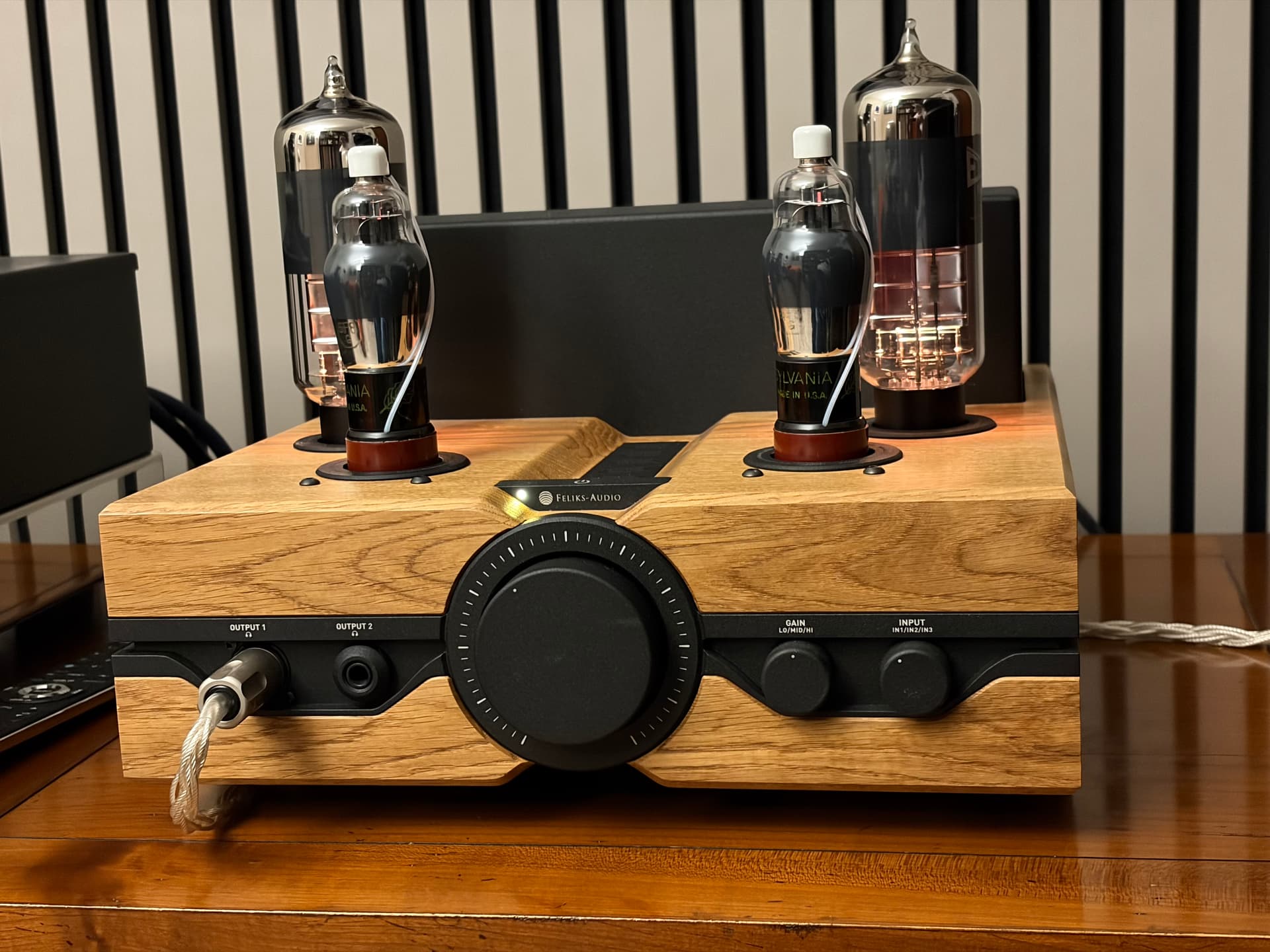
Rediscovering a 80y+ old pair of Sylvania 6F8G tubes on my Feliks Audio Envy headphone amp with this record…
God, those oldies are both subtle and can hit SO hard! Pure delight!
4 Likes
5 Likes
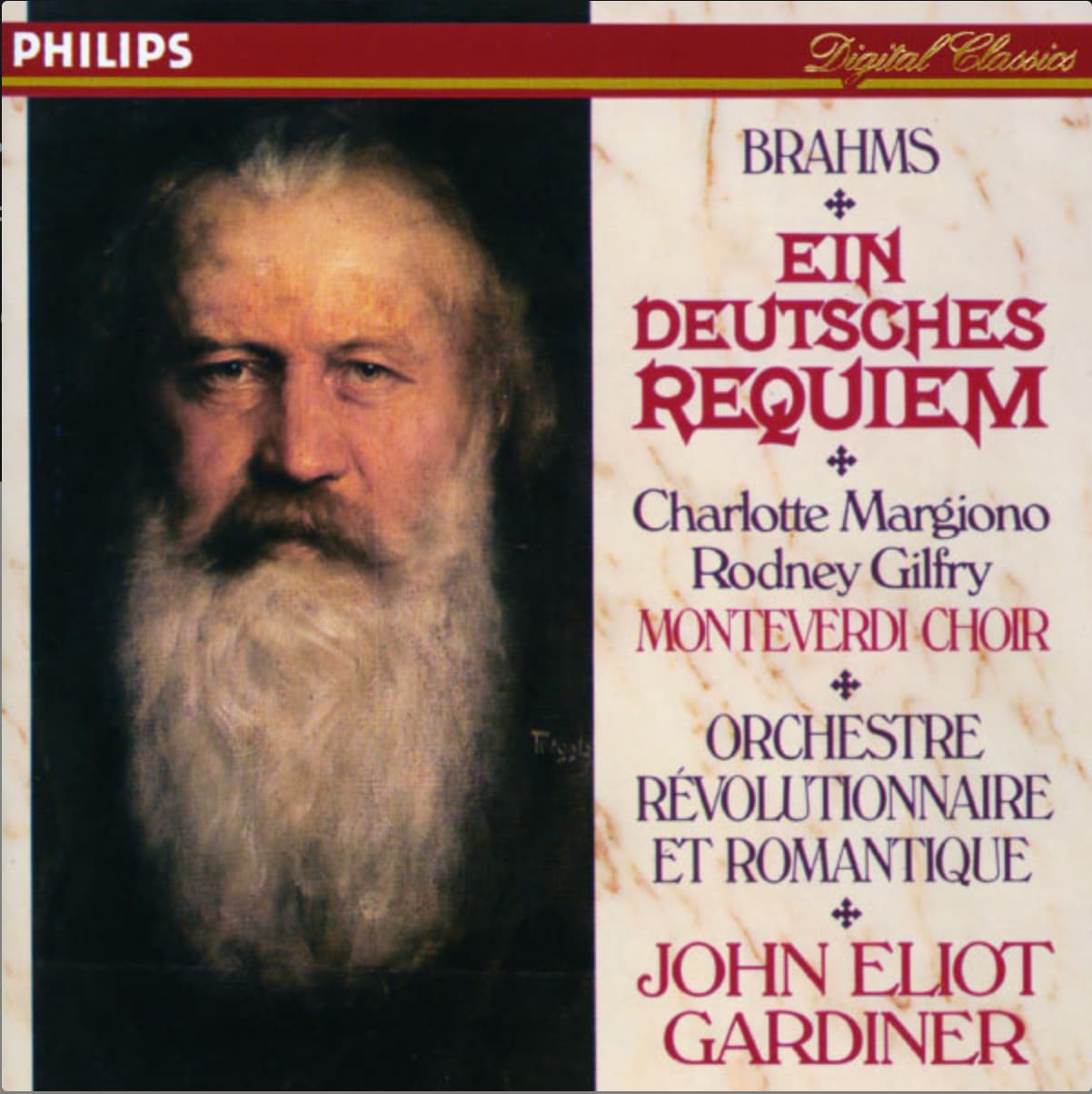
Charlotte Margiono, Rod Gilfry, Monteverdi Choir, Orchestre Révolutionnaire et Romantique, John Eliot Gardiner “Brahms: Ein deutsches Requiem” 1991, Qobuz 16/44.1
2 Likes
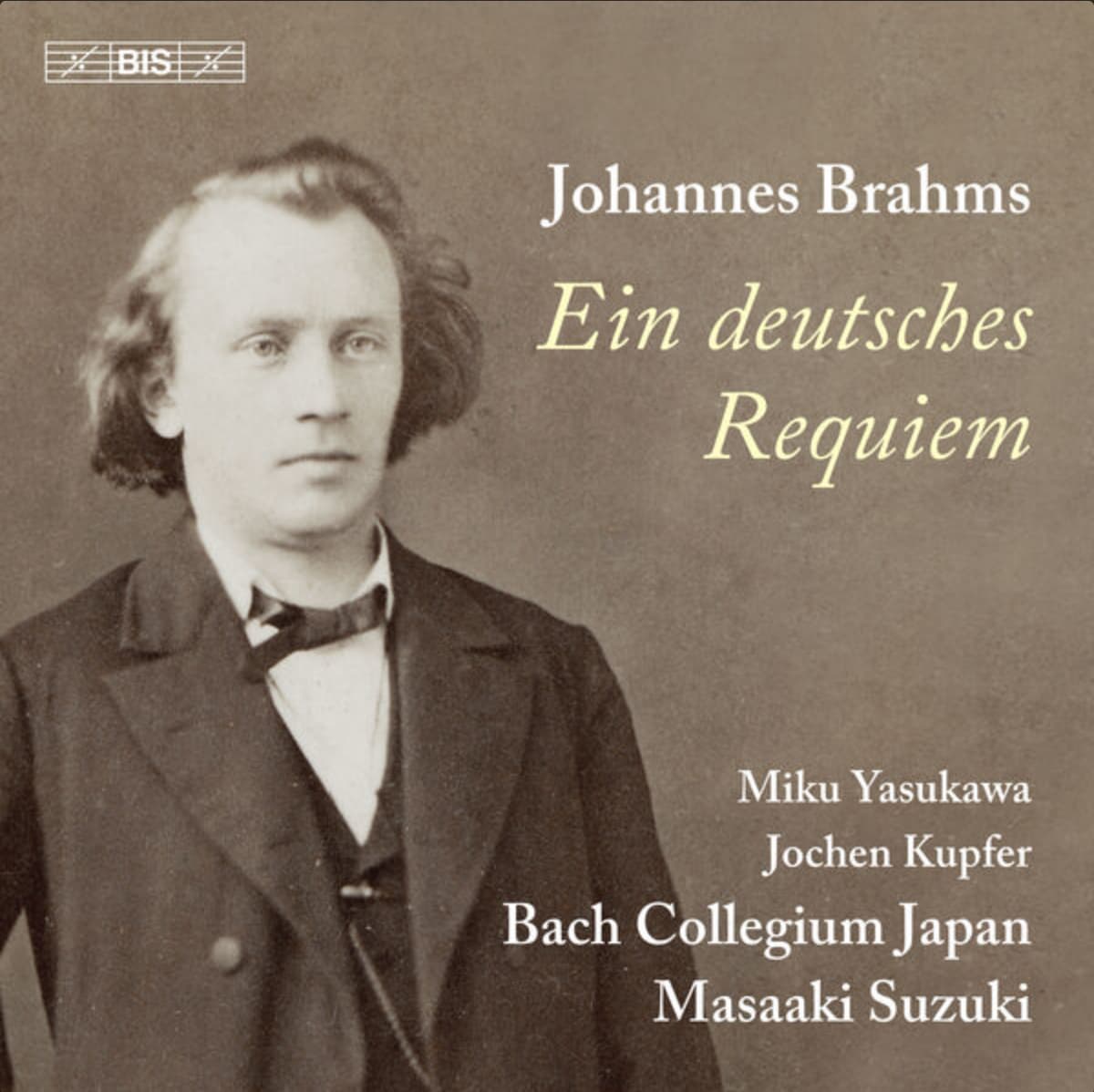
Masaaki Suzuki, Bach Collegium Japan “Brahms: Ein deutsches Requiem, Op. 45: IV. Wie lieblich sind Dein Wohnungen” 2025, Qobuz 24/96
3 Likes
Rounding out my little survey of Brahms’ Requiem with my ‘home team’, the Swedish Radio Symphony Orchestra under Daniel Harding. Possibly my favorite of the modern interpretations.
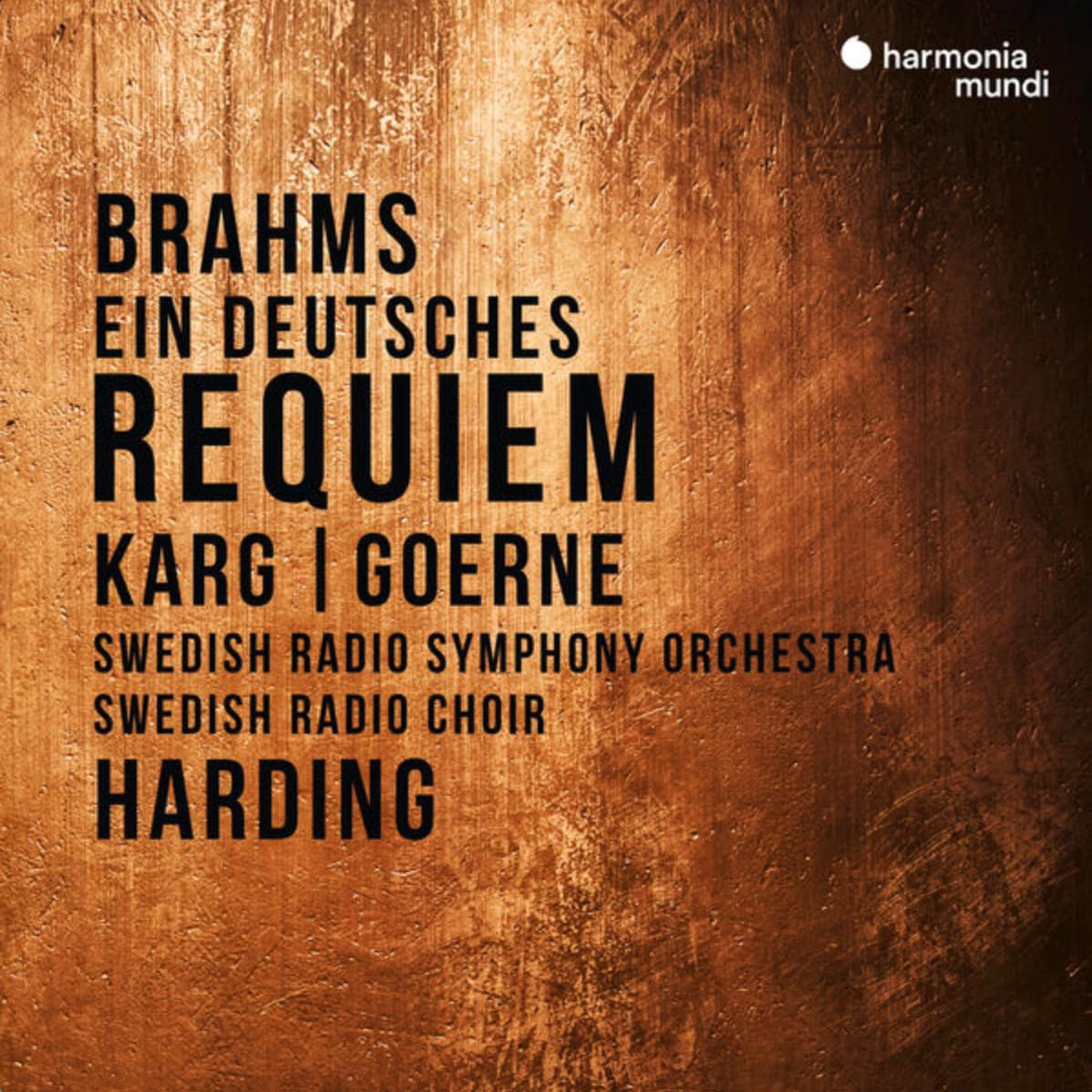
Christiane Karg, Matthias Goerne, Swedish Radio Choir, Swedish Radio Symphony Orchestra, Daniel Harding “Brahms : Ein deutsches Requiem” 2019, Qobuz 24/48
3 Likes
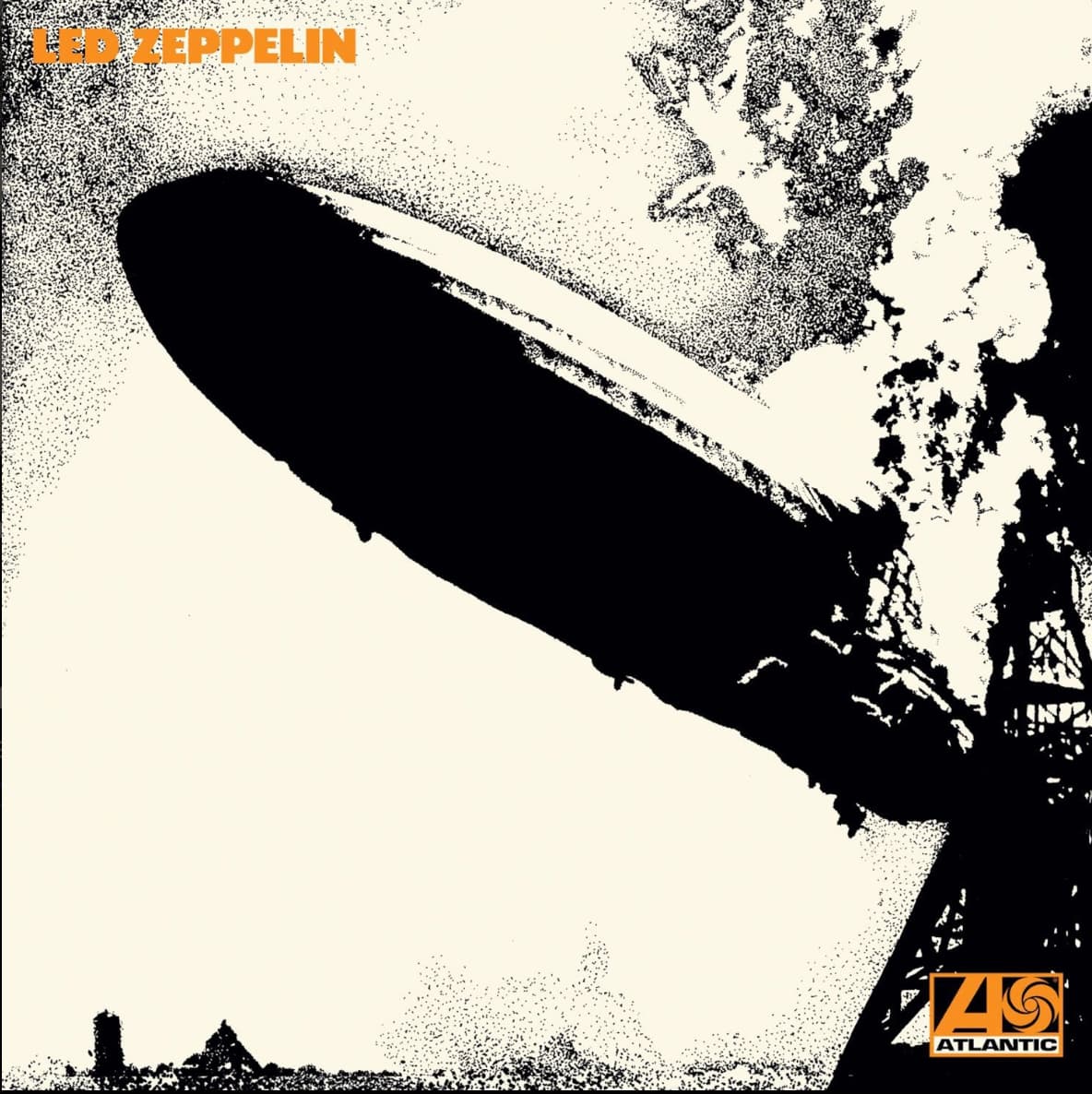
Led Zeppelin I
Album Rock, Arena Rock, Blues-Rock, British Blues
Atlantic - 12th January 1969 (HD Remastered Edition)
24/96
DR: 7
4 Likes
From October’s Classical Choices (check it out!!) comes this absolute pearl of a recording which Gramophone magazine has awarded their Recording of the Year and Choral Award for 2025. Would love to be listening to it on the Lina or the bigrig but they’re not so aeroplane-friendly so I’m enjoying it through my AirPods somewhere over Iceland..
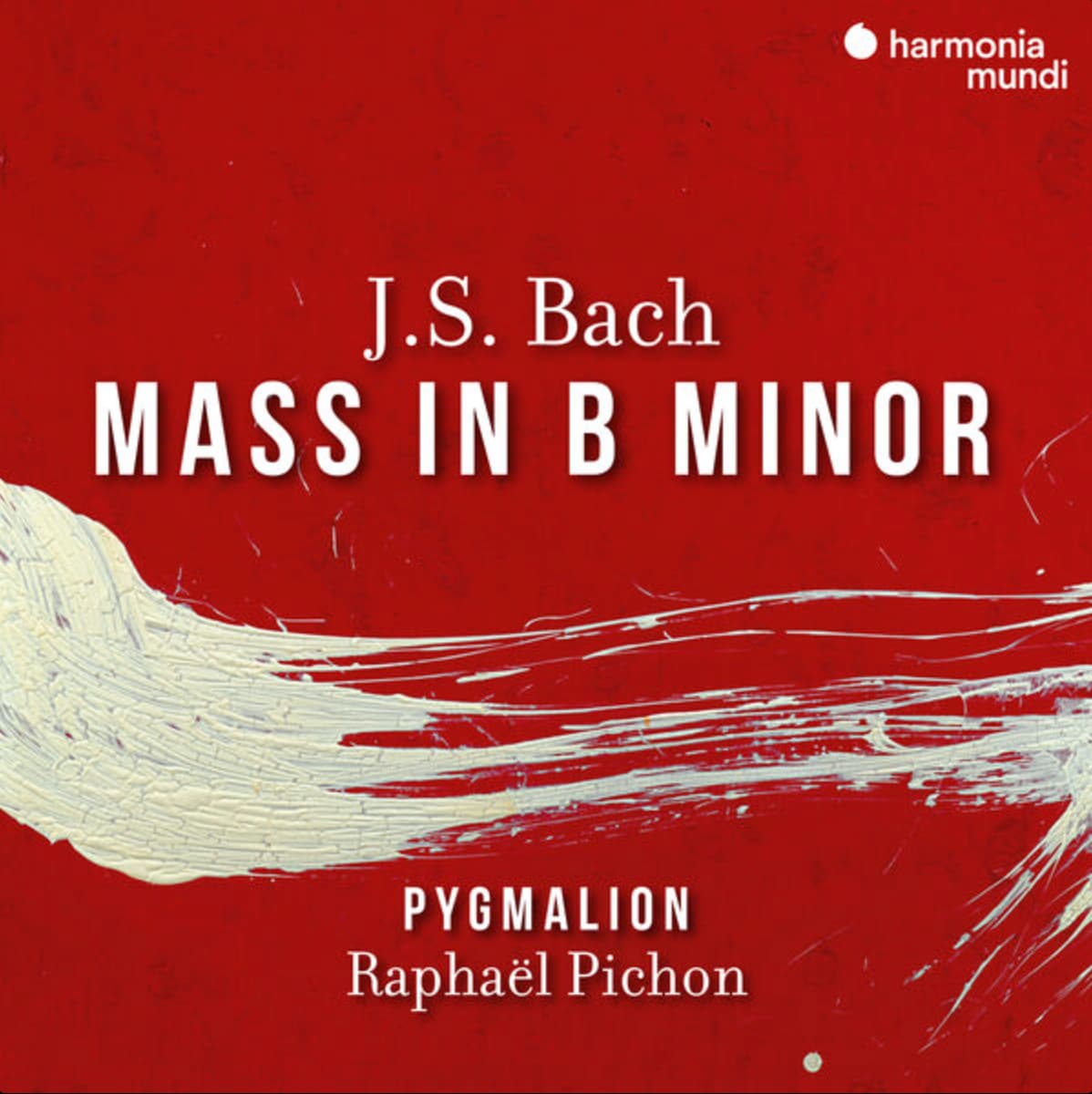
Julie Roset, Beth Taylor, Lucile Richardot, Emiliano Gonzalez Toro, Christian Immler, Raphaël Pichon, Pygmalion “J. S. Bach: Mass in B Minor, BWV 232” 2025, Qobuz 24/96
4 Likes
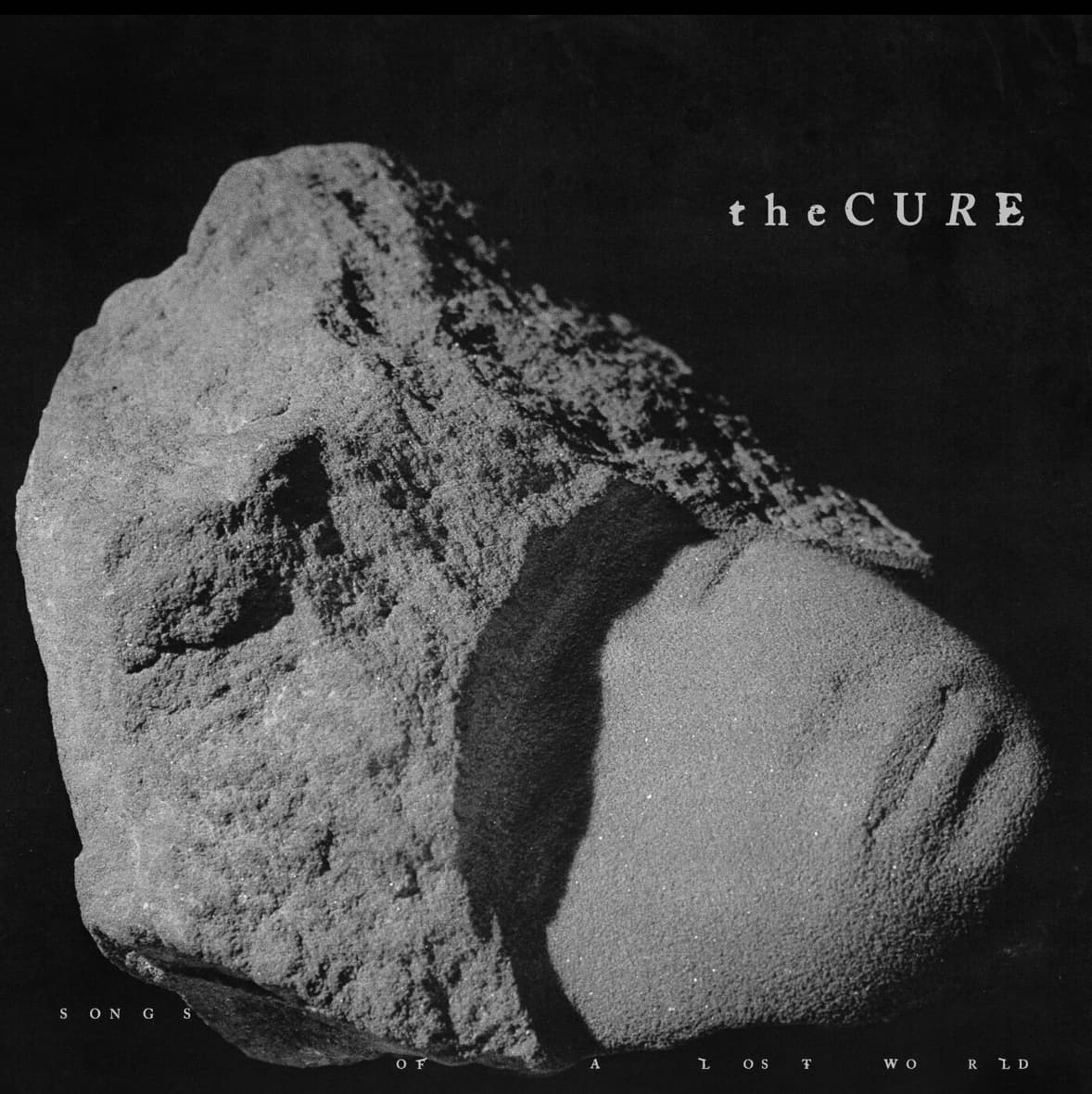
The Cure: Songs Of A Lost World
Alternative & Indie
Blood Records - 1st November 2024
24/96
DR: 5
I can’t believe that it’s over a year since this album was released…
Time flies, but what a great album!
4 Likes
Snow day, kids home and having an '80’s blast of superior electro-pop…quirky, hooky and different.
The very excellent and largely forgotten New Musik..
Worth a listen if you like that kind of thing
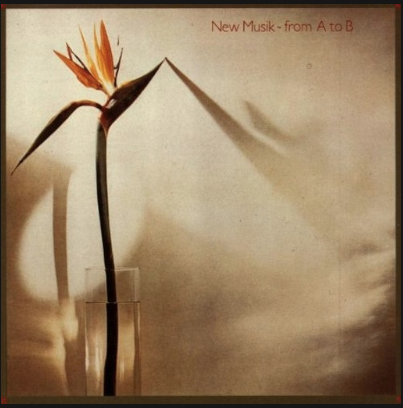
from A to B
CD rip to NAS
16/44 - DR5
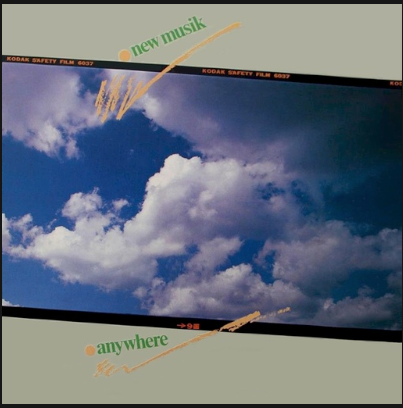
Anywhere
CD rip to NAS
16/44 - DR6
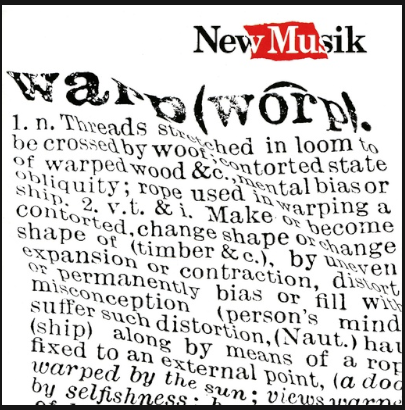
Warp
CD rip to NAS
16/44 - DR5
3 Likes
I’m posting about a piece of music – solo piano as suggested by the title – that I did not enjoy, but it is interesting for an audiophile reason. “The Piano”, by Herbie Hancock:
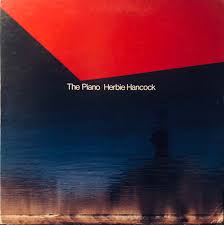
The music was recorded in 1978 in Japan, and at the time was a Japan-only release. It was a direct to disc (i.e., to LP) recording and so I assume was a simple high quality recording chain by the standards of the time. I have the CD (it came out in 2004, and I had not known about it before now). The music on the CD was not derived from the analog disc or master but from a simultaneous tape recording. What makes this interesting is that the recorder was not an analogue reel to reel tape machine but Sony’s early 16 bit digital recorder (according to the internet the Sony 1600 came out in 1978). I expect there are many other albums out there recorded with the same machine but, for me, this has been the first opportunity to hear the results of that early A/D conversion.
Would I say that there is anything terribly wrong with the recording? No. It is clean and clear in the usual digital way, and sounds like the recording session – leaving aside the pros and cons of the machine – was set up very well. I did realise that the sound didn’t seem involving or have the degree of realism (body, complexity of tone, naturalness) that a more modern recording or A/D conversion would have. I think it was weakest in the upper frequencies, and wonder how the recorder would cope with loud brass or an orchestra going full tilt. @AndrewS, I know that 1978 must be quite a few years before dCS got involved in A/D conversion but I’d guess you have an interest in these matters generally. What these days is the opinion of early digital recorders? What are other Forum members’ experiences?
1 Like
It is very difficult to generalise as there were a number of different digital recording ssystems and even if identified, the recording will have been subject to eq changes during subsequent production processes.
I can go back to the earliest days of digital using the Soundstream process. This was a 16bit format with ( interesting considering later formats) a 50K sampling rate. However we could only get to hear the result when transferred to LP - this was well before the first digital replay available to consumers - CD.
Out of interest I played one of my earliest CDs yesterday and that was surprisingly disappointing as I had hoped that hearing it via my Rossini/Vivaldi kit wold have provided a magic touch (Vivadl Gloria/Bach Magnificat, AAM, Preston). That was on L’Oiseau Lyre which was Decca. They recorded on their home brew digital system based around modified JVC video recorders. I guess that their A/D transfers will have used similar equipment or at least their DACs which were either 18 or 20 bit.
I have one CD from before the format’s public launch. So that has to be the oldest I have but it was not from a digital original but was an analogue transfer. I will give it a spin.
Unfortunately I am now unable to see SPARS codes from the CD booklet as most of my collection has been transferred to file storage. That now makes it hard to identify the recording’s technical origin. So the earliest digital recording aside from above I have must be Donald Fagen Nightly but IMO the LP sounds way better than CD and is very good.
I do recall my earliest days with CD and a Philips CD100. Horrid as far as I recall. I carnied on buying LPs for years thereafter whilst spending oodles on trying various subsequent CD players and DACs until I found dCS in roughly 1998/9.
2 Likes
Damned with faint disdain as an overgrown bar band with a Bob Dylan fixation by critic William Ruhlmann, I find this live album a remarkable set of performances of some DS’ classics—faithful to the studio recordings while full of lively reinterprerive passages. For me, this is one of the unusual SACD-SHM releases that may actually be better than the CD or SACD.
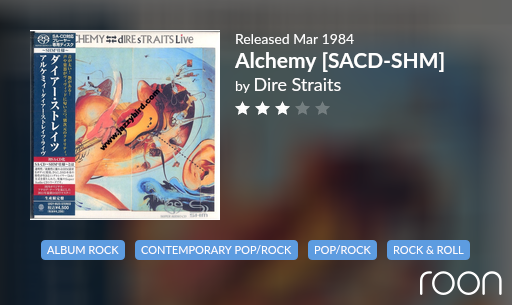
Dire Straits Alchemy
SACD-SHM ripped to DSD
5 Likes